Credit Card Debt Feels Small Until It Does Not
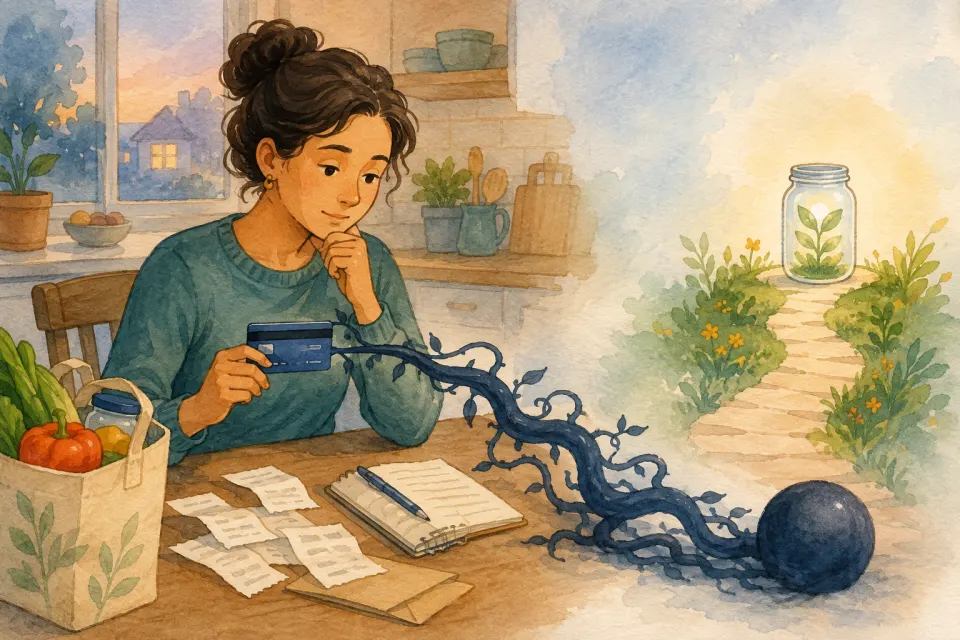
Credit card debt is dangerous because it often feels harmless at the beginning. A tank of gas goes on the card. A grocery run goes on the card. A small emergency goes on the card. None of those choices may feel reckless in the moment, especially when life is expensive and the payment is not due right away. The problem is what happens next. If the full balance is not paid, the card stops feeling like a payment tool and starts acting like a loan. That loan can be expensive, easy to reuse, and hard to see clearly. A balance that once felt manageable can become a monthly weight that changes how you spend, save, sleep, and plan.
Interest Makes Yesterday's Purchases Follow You
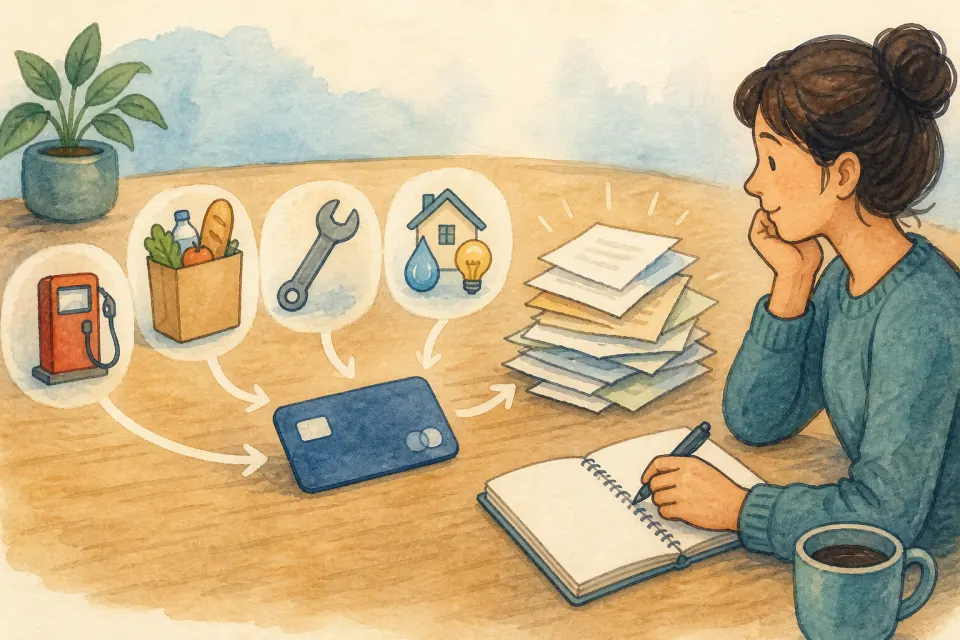
Credit card interest is what makes old purchases follow you into new months. Many credit card companies calculate interest daily, which means the balance can cost money every day it remains unpaid. If you lose your grace period by carrying a balance, new purchases may start collecting interest sooner than you expect. This is why credit card debt can feel so frustrating. You may stop using the card, make a payment, and still feel like the balance barely moved. The money you send is not only paying for what you bought. Part of it may be paying for the time that has passed since you bought it.
Minimum Payments Can Keep You Stuck
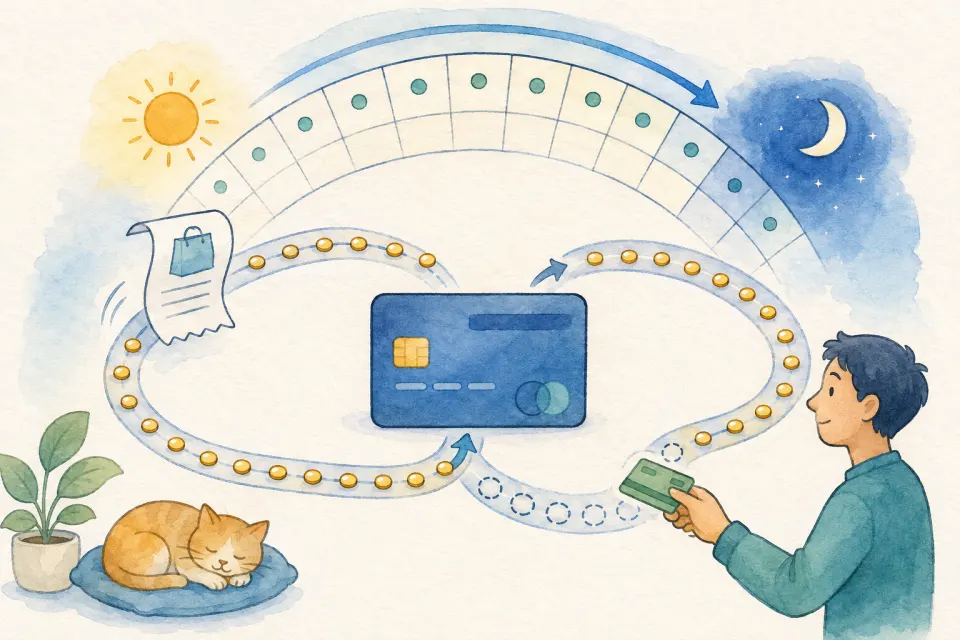
Minimum payments can keep an account from becoming late, but they are not designed to make debt disappear quickly. They are often small compared with the full balance, which can make them feel safe. But small payments can stretch credit card debt over years and add a lot of interest along the way. Your credit card statement is required to show warnings and payoff information because paying only the minimum can make the debt last much longer. This is the trap: you feel like you are doing the responsible thing because you paid on time, but the balance may still be strong enough to stay in your life month after month.
Debt Changes More Than Your Bank Balance
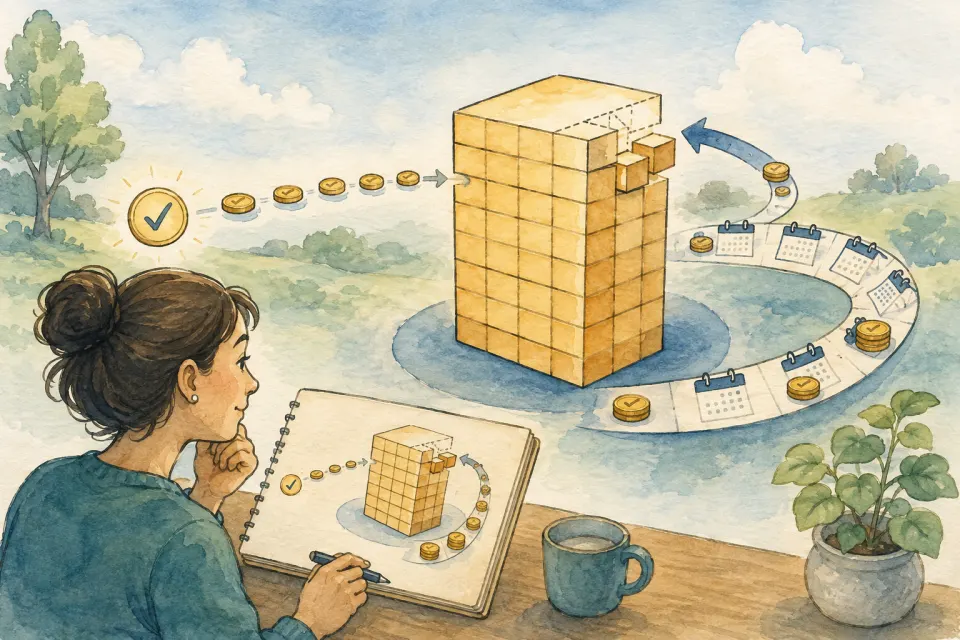
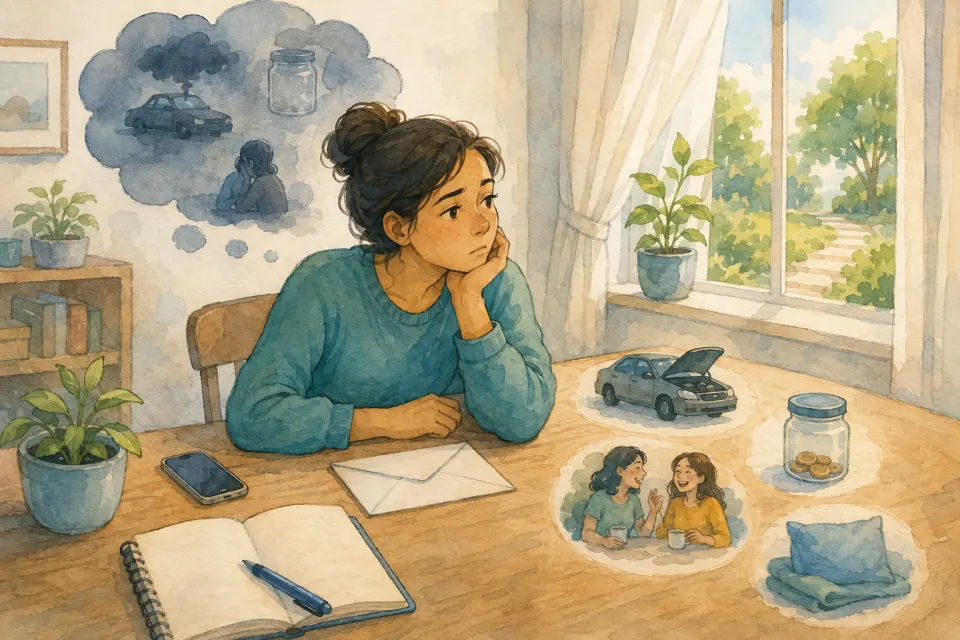
The real cost of credit card debt is not only the number on the statement. It can affect your choices. It can make you delay a car repair, skip savings, avoid opening bills, turn down plans with friends, or feel tense every time your phone shows a bank notification. Research on debt and health has linked financial strain with stress, anxiety, depression, and worse self-rated health. You do not need a study to know that debt can be heavy, but the research matters because it confirms something many people feel quietly: money pressure can move into your mind, your relationships, your work, and your health.
Missed Payments Can Follow You
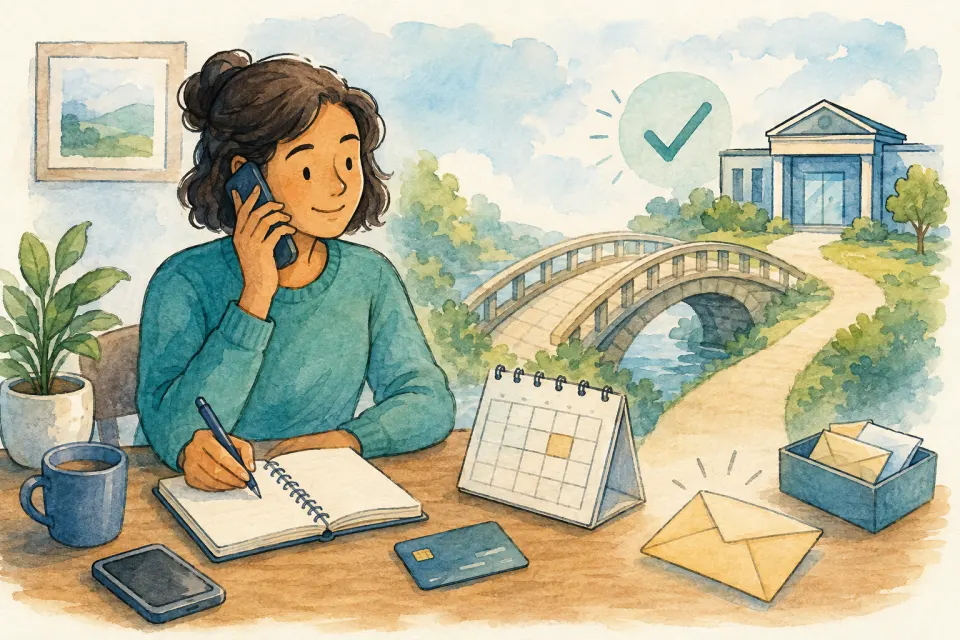
Missed payments can make the problem sharper. A late or missed credit card payment can lead to fees, collection calls, a lower credit score, and harder conversations with lenders. The FTC explains that if you are behind, it is better to contact creditors early, before the debt gets worse or moves to collections. The CFPB also says card companies may be willing to work with people facing a financial emergency. Waiting usually makes the situation feel scarier. Acting early does not make the debt vanish, but it gives you more room to ask for help, request a payment plan, protect your budget, and slow the damage.
A Simple Way To Start Getting Control Back
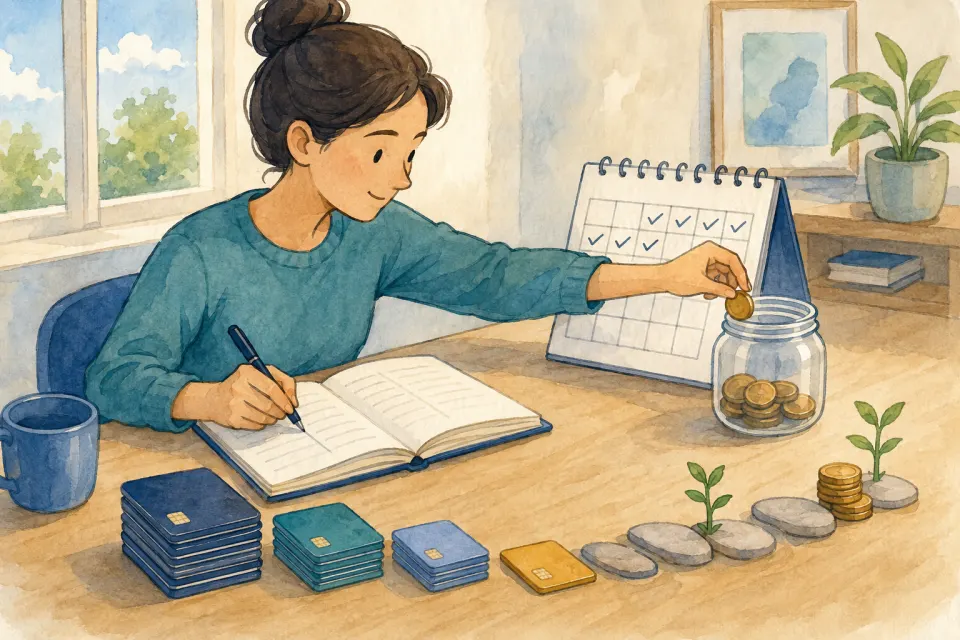
Getting control back starts with making the debt visible. Write down each credit card balance, interest rate, minimum payment, and due date. Then compare that list with your monthly income and expenses. Use a budget calculator to see what cash is actually available, and use a debt payoff calculator to test what happens if you pay more than the minimum. Even a small extra payment can matter if it is consistent. Focus on one step at a time: stop adding new debt where possible, pay at least the minimum on every card, send extra money to the highest-interest balance or the smallest balance, and ask your card company for help if you cannot keep up. Credit card debt can take over your life slowly, but a clear plan can help you take pieces of it back.
Sources
- How does my credit card company calculate the amount of interest I owe? Consumer Financial Protection Bureau
- A box on my credit card bill says that I will pay off the balance in three years if I pay a certain amount. What does that mean? Consumer Financial Protection Bureau
- What should I do if I can't pay my credit card bills? Consumer Financial Protection Bureau
- How To Get Out of Debt Federal Trade Commission
- Face the numbers: Moving beyond financial denial American Psychological Association
- Debt-Related Financial Hardship and Health PubMed
- Household Debt Balances Continue Steady Increase; Delinquency Transition Rates Remain Elevated for Auto and Credit Cards Federal Reserve Bank of New York
- credit card debt
- credit card interest
- minimum payment
- debt payoff
- debt payoff calculator
- budget calculator
- credit score
- financial stress
- personal finance